
Living in a tent for months or even years is not just for adventurers anymore. Today, more people choose long-term tent living for reasons like saving money, connecting with nature, or escaping city life. You might picture camping as a short trip, but living in a tent long term is a whole different experience. It needs planning, smart choices, and a willingness to adapt. If you’re thinking about making a tent your home, this guide will help you understand what’s involved, what to expect, and how to do it well.
Choosing The Right Tent For Long-term Living
Your tent is your house, so picking the right one is critical. Not all tents are made for long stays. Look for features that match your climate and lifestyle.
| Feature | Short-Term Tent | Long-Term Tent |
|---|---|---|
| Material | Nylon or polyester | Canvas or heavy-duty polyester |
| Size | Small, compact | Large, tall (walk-in) |
| Weatherproofing | Basic | High (rainfly, waterproof seams) |
| Ventilation | Limited | Multiple windows, vents |
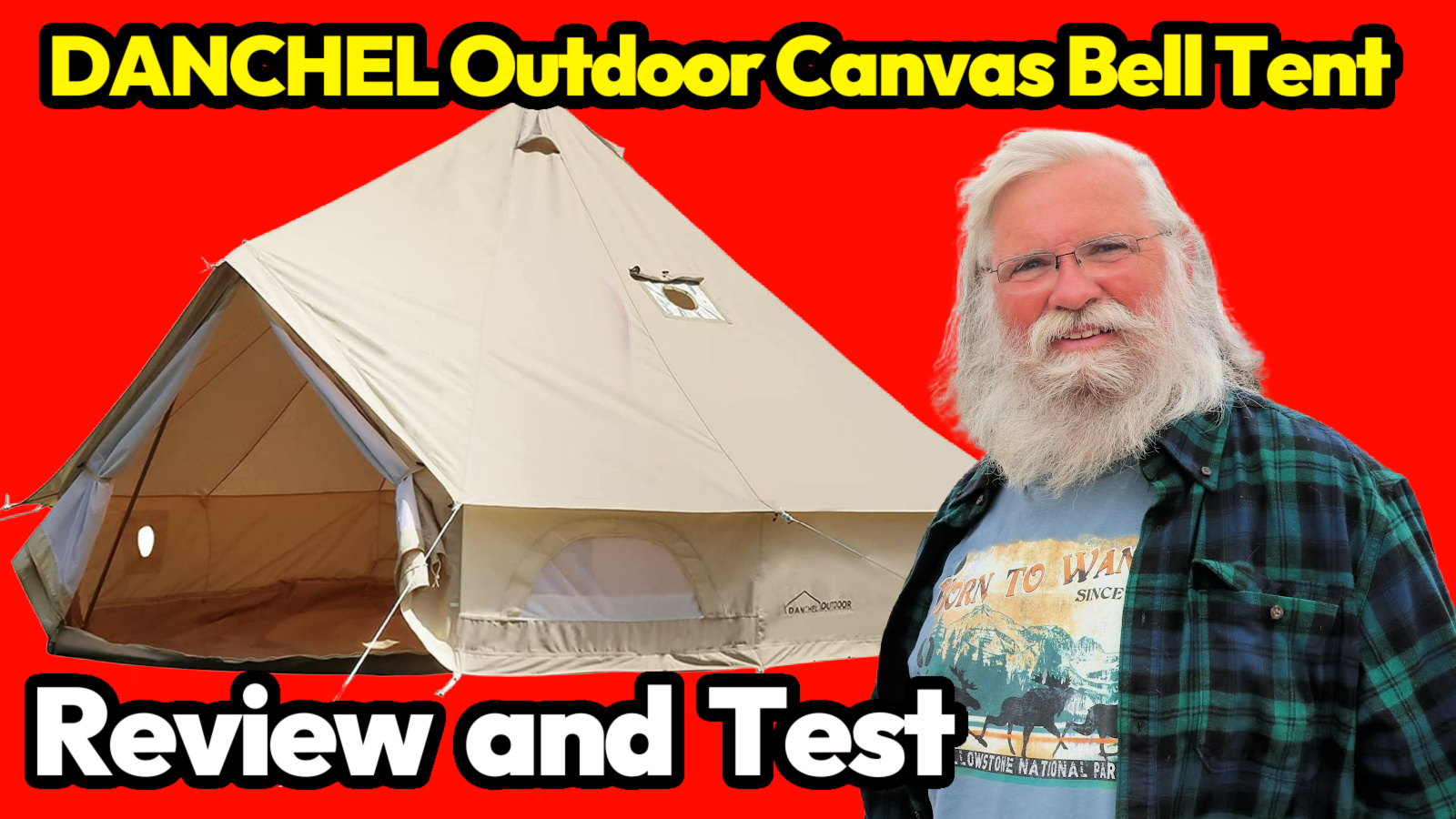
Canvas tents are best for long-term use. They handle rain, wind, and even snow much better than regular camping tents. Look for a tent you can stand up in, with space to store gear and move around. If you plan to stay in cold areas, choose a tent that can fit a small stove.
Picking The Best Location
Where you pitch your tent matters as much as the tent itself. Start by checking if camping is allowed for long periods in your chosen area. Some places have strict rules.
- Safety: Find a spot away from flood zones, falling branches, and wild animals.
- Water access: Being near clean water is important for drinking, cooking, and cleaning.
- Privacy: Choose a location that offers peace and quiet, but is not too isolated in case of emergencies.
- Sun and shade: Too much sun can make your tent hot, while too much shade encourages mold.
Many long-term campers rent space in private campgrounds or pay for land. Some public lands allow extended stays, but always check local laws.

Credit: brittanydawnlife.com
Setting Up Your Tent For Comfort
Living in a tent doesn’t mean you have to feel uncomfortable. With a few steps, you can make your tent feel cozy.
- Flooring: Put a thick tarp under your tent to block moisture. Use rugs or foam mats inside for warmth.
- Lighting: Battery-powered lanterns or solar lights make evenings easier. String lights can add a homely touch.
- Storage: Use bins, shelves, or hanging organizers to keep gear tidy.
- Insulation: For cold weather, add blankets to walls or use insulated liners.
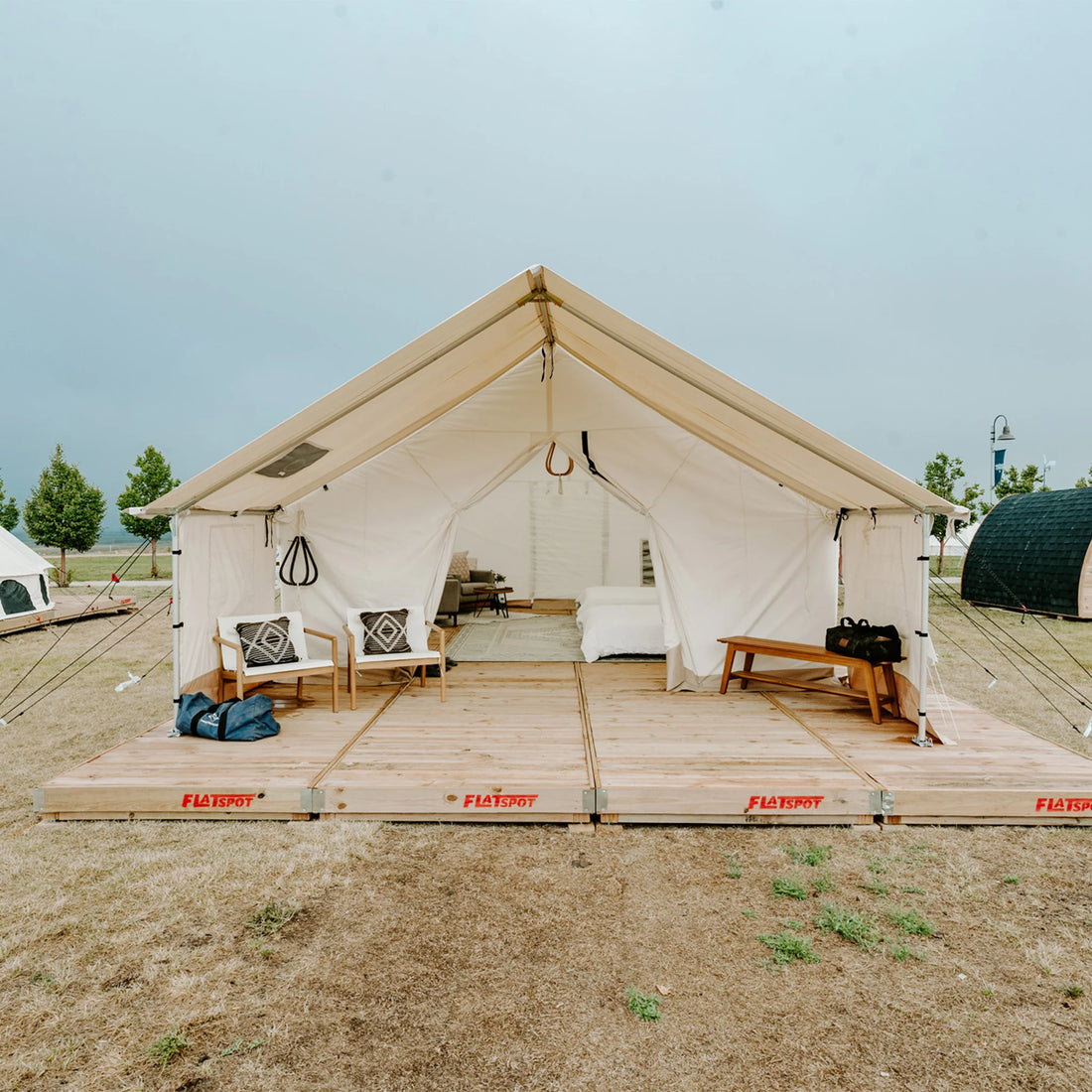
Some campers build small wooden platforms to raise their tent above wet ground. This prevents damage and adds stability.
Staying Warm And Dry
Weather is one of the biggest challenges for tent living. Rain, wind, and cold can quickly turn your home into a mess.
| Weather Challenge | Solution |
|---|---|
| Heavy rain | Use waterproof covers, seal seams, dig drainage ditches |
| Cold temperatures | Insulated sleeping bags, small wood stove, extra blankets |
| Strong winds | Sturdy tent stakes, guy lines, windbreaks |
| Heat | Ventilation, shade tarps, portable fans |
Many beginners forget to check the tent’s waterproof rating. For long-term use, look for a tent with at least 2000mm hydrostatic head. This means it can handle heavy rain. Also, proper ventilation is key. Without it, condensation builds up, making everything damp.
Cooking And Eating In A Tent
You’ll need a safe way to prepare food. Never cook inside a tent unless you have proper ventilation.
- Camp stoves: Propane or butane stoves are easy to use and safe for outdoor cooking.
- Fire safety: Always keep a fire extinguisher nearby.
- Food storage: Use sealed containers to keep food fresh and avoid attracting animals.
- Meal planning: Choose simple recipes that use few ingredients and need minimal cleanup.
Most tent-dwellers set up a covered area just outside their tent as a kitchen. This keeps smoke and smells out, and reduces fire risks.
Hygiene And Health
Keeping clean is harder when you don’t have running water, but it’s vital for your health.
- Water: Always filter or boil water from natural sources.
- Showers: Solar showers or portable shower bags can help you stay clean.
- Toilets: Composting toilets, portable toilets, or digging a cat hole work for waste.
- Laundry: Wash clothes with a bucket and biodegradable soap.
It’s easy to miss small hygiene tasks, like cleaning your tent regularly to prevent mold and pests. Make a routine for cleaning and stick to it.
Power And Connectivity
If you need electricity for charging devices or lights, there are ways to stay connected.
| Power Source | Use Case | Drawbacks |
|---|---|---|
| Solar panels | Charge phones, lights | Limited by weather |
| Portable battery | Backup power | Needs recharging |
| Generator | Power appliances | Noise, fuel costs |
For internet, many use mobile hotspots or Wi-Fi from nearby towns. Remember, being offline sometimes is part of the tent experience.
Staying Safe And Legal
Long-term tent living has risks. Always keep a first aid kit and learn basic emergency skills. Tell someone your location, and have a plan if you need to leave quickly.
Check local rules on camping, fire use, and waste disposal. Breaking these can lead to fines or eviction. For more details on camping laws, visit the Wikipedia Camping page.
Credit: www.amazon.com
Social Life And Mental Health
Tent living can be lonely. Try to build connections with other campers nearby or visit local communities. Keep busy with hobbies like reading, hiking, or crafts.
A common mistake is ignoring mental health. Set routines, stay active, and reach out for help if you feel isolated.
Frequently Asked Questions
How Long Can You Legally Live In A Tent?
This depends on your location. Some areas allow months, while others limit stays to 14 days. Always check local laws before setting up.
What Type Of Tent Is Best For Year-round Living?
Canvas tents or heavy-duty polyester tents are best. They last longer and handle weather better than lightweight camping tents.
How Do You Stay Warm In Winter?
Use insulated sleeping bags, extra blankets, and a safe heating source like a wood stove. Dress in layers and keep the tent sealed.
Can You Have Wi-fi In A Tent?
Yes. Many people use mobile hotspots or portable Wi-Fi devices. Signal strength depends on your location.
How Do You Keep Animals Away From Your Tent?
Store all food in sealed containers and never leave scraps outside. Use animal-proof bins and keep your campsite clean.
Living in a tent long term is not easy, but it can be rewarding. With good planning, the right gear, and a positive attitude, you can enjoy freedom and simplicity. Remember to respect nature, follow local rules, and take care of your health.
If you approach tent living with care, your outdoor home can become a place of adventure and peace.
Credit: livemoreoutside.com
