
Buying a camping tent might seem simple, but choosing the right one can make or break your outdoor experience. You want a tent that keeps you dry, comfortable, and safe—no matter where you set up camp.
But with so many options out there, how do you know which features really matter? You’ll discover the key things to consider before making your purchase. By the time you finish reading, you’ll feel confident picking a tent that fits your needs perfectly.
Keep reading to make your next camping trip your best one yet.
Tent Types
Choosing the right type of tent is important for a good camping trip. Different tents fit different needs. Consider the size, weight, and weather conditions you expect. This helps you pick a tent that works best for your adventure.
Backpacking Tents
Backpacking tents are light and small. They save space in your backpack. These tents are easy to carry on long hikes. They usually fit one or two people. The material is strong but light. Perfect for travelers who move a lot.
Family Tents
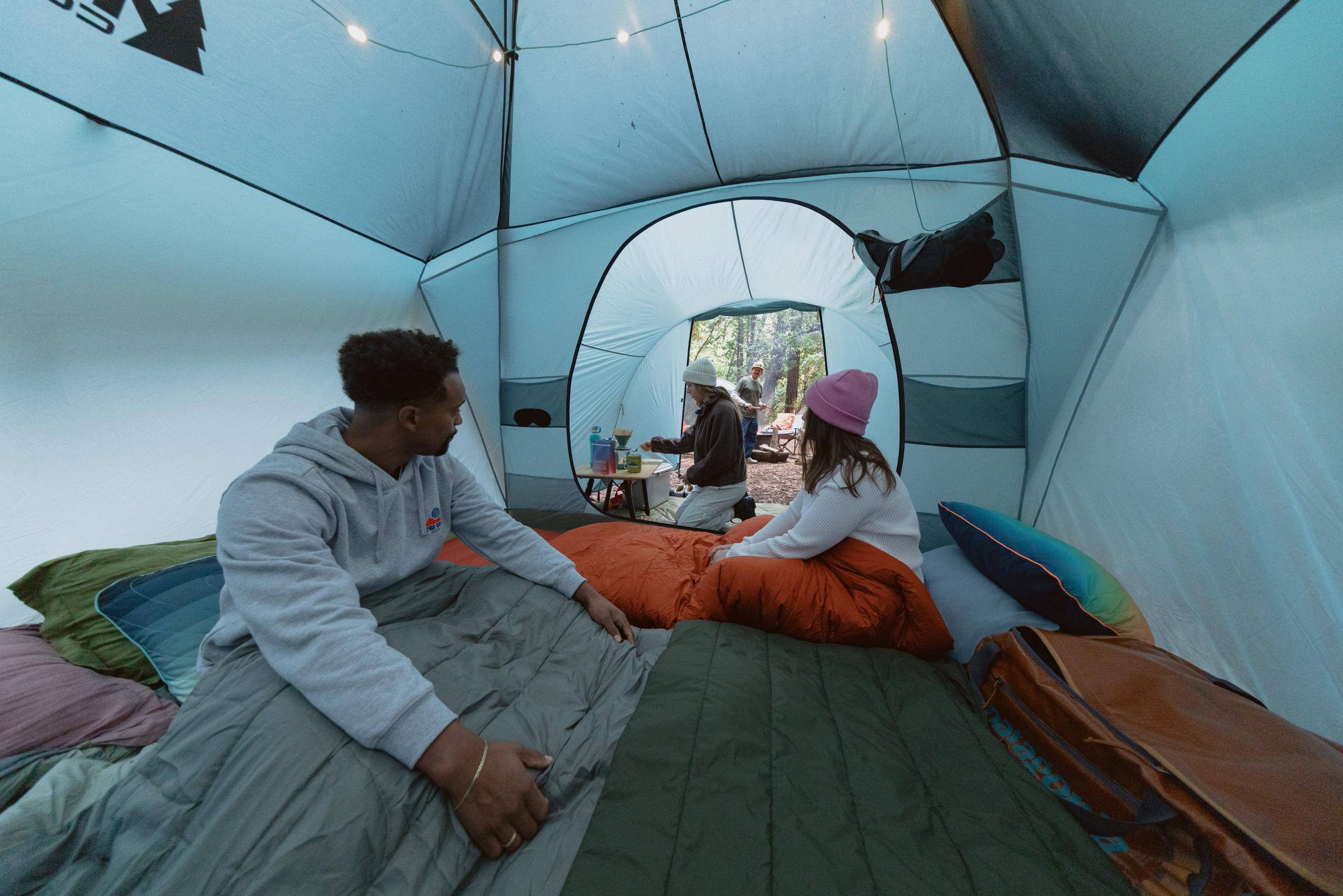
Family tents are bigger and heavier. They fit more people and gear inside. These tents have separate rooms for privacy. They offer more comfort and space. Great for camping with kids or groups. Usually easy to set up for beginners.
Mountaineering Tents
Mountaineering tents protect against harsh weather. They are made for strong wind and snow. These tents are very sturdy and durable. They keep you safe at high altitudes. Usually smaller but very tough. Designed for serious mountain climbers and cold conditions.
Capacity And Size
Choosing the right capacity and size for your camping tent is key to a good trip. The tent must fit everyone comfortably and hold your gear. Space affects how well you rest and how easy it is to move inside. Consider how many people will use the tent and what extra space is needed. Think about your camping style and the space needed for comfort.
Sleeping Space
Check the tent’s sleeping capacity carefully. The number of people the tent sleeps is often a tight fit. Choose a tent with extra room if you want more comfort. Mattresses and sleeping bags take up space. Make sure each person has enough room to sleep without touching others. This helps avoid discomfort during the night.
Storage Room
Look for a tent with storage space for gear. Backpacks, shoes, and other items need a dry place. Some tents have vestibules or extra pockets for storage. This keeps the sleeping area clean and free from clutter. Storing gear inside the tent protects it from rain and dirt.
Headroom
Headroom means how tall the tent is inside. Taller tents let you stand or sit up comfortably. This makes changing clothes easier and creates a more pleasant space. Low headroom can make the tent feel cramped. Think about your height and how much space you want to move around.
Seasonal Ratings
Seasonal ratings help you choose the right tent for weather conditions. They tell how well a tent handles wind, rain, and temperature. Picking a tent with the right rating keeps you safe and comfortable outdoors.
3-season Tents
3-season tents work well in spring, summer, and fall. They protect against light rain and wind. These tents have good ventilation for warm weather. Not made for heavy snow or strong storms. A popular choice for most campers.
4-season Tents
4-season tents are built for harsh winter weather. Strong frames hold up against snow and ice. These tents keep warmth inside during cold nights. Less ventilation but better protection from wind. Ideal for winter camping or mountain trips.
Convertible Tents
Convertible tents switch between 3-season and 4-season modes. You can add or remove panels for more ventilation or warmth. Great for changing weather conditions. Offers flexibility but may weigh more than other tents.

Credit: www.under30experiences.com
Material And Durability
Material and durability are key factors for a good camping tent. The right materials keep you safe and comfortable. They also make your tent last through many trips. Choosing strong fabric and poles helps your tent stand up to wind and rain. Water resistance keeps you dry in wet weather. Each part of the tent plays a role in how well it performs outdoors.
Fabric Types
Tent fabrics vary in weight and strength. Nylon is light and strong, perfect for backpacking. Polyester resists stretching and sun damage well. Canvas is heavy but very durable. It breathes better and lasts long. Coated fabrics add water resistance to keep you dry. Pick fabric that fits your camping style and weather needs.
Pole Materials
Poles support your tent and affect its weight. Aluminum poles are strong and light. They resist bending and break less often. Fiberglass poles are cheaper but heavier. They can snap under pressure. Some tents use steel poles for extra strength. Choose poles that balance weight with toughness for your trip.
Water Resistance
Water resistance protects you from rain and dampness. Look for tents with a waterproof coating or rainfly. Sealed seams stop water from leaking inside. A tent floor with a waterproof layer keeps ground moisture out. Good water resistance means a dry, comfortable campsite. Test tents in wet conditions to check their protection.
Setup And Portability
Setup and portability are key factors to consider when buying a camping tent. A tent that is hard to set up wastes time and energy. Carrying a heavy or bulky tent can make hiking tiring. Choosing a tent that suits your needs helps make camping more fun and less stressful.
Ease Of Setup
Choose a tent that you can set up quickly and easily. Look for tents with color-coded poles or clip systems. Practice setting up your tent at home to avoid surprises. Simple designs save time and reduce frustration. Fast setup means more time to enjoy nature.
Weight Considerations
Weight matters, especially if you carry your gear far. Lightweight tents help reduce fatigue on long hikes. Check the tent’s weight before buying. Balance weight with durability and comfort. A very light tent may not be strong in bad weather.
Packed Size
Packed size affects how much space the tent takes in your backpack. Smaller packed tents fit easier with other gear. Consider tents that compress well without damaging materials. A compact tent is easier to carry and store. Measure packed size to ensure it fits your bag.
Credit: www.rei.com
Ventilation And Weather Protection
Choosing the right camping tent means thinking about ventilation and weather protection. These two factors keep you comfortable and safe outdoors. Good ventilation stops the tent from feeling stuffy. Weather protection shields you from rain, wind, and cold.
Ventilation Features
Look for tents with mesh windows and vents. They allow fresh air to flow inside. This reduces moisture and stops fog on the tent walls. Some tents have adjustable vents to control airflow. Proper ventilation helps you stay cool on warm nights.
Rainfly Design
The rainfly covers the tent and keeps rain out. A full-coverage rainfly protects from heavy rain. Some rainflies extend to create a small porch area. This space lets you store gear or cook without getting wet. Make sure the rainfly fits tightly to avoid leaks.
Wind Resistance
Strong winds can damage a weak tent. Choose tents with sturdy poles and strong fabrics. Look for designs with low profiles to reduce wind impact. Guy lines and extra stakes add stability. A wind-resistant tent stays secure during storms.
Additional Features
Additional features in a camping tent improve comfort and convenience. They make your outdoor stay easier and more enjoyable. Small details can change your camping experience significantly. Consider these features carefully before buying.
Doors And Windows
Doors and windows affect ventilation and access. Large doors allow easy entry and exit. Multiple windows help air flow inside the tent. Look for tents with mesh panels to keep bugs out. Zippers should be strong and smooth for quick use.
Interior Pockets
Interior pockets keep small items organized and within reach. Store flashlights, phones, or maps safely inside the tent. Pockets save space and reduce clutter. Check the number and size of pockets before buying.
Vestibules And Awning
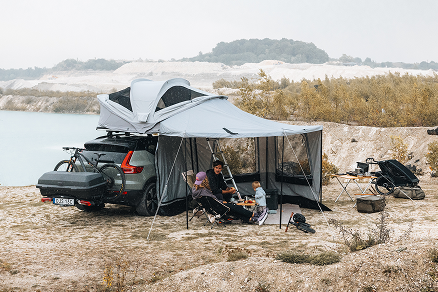
Vestibules provide extra covered space outside the main tent. Use them to store shoes, bags, or cooking gear. An awning offers shade and protection from rain. These features add useful space without increasing tent size.
Budget And Brand
Choosing the right camping tent depends a lot on your budget and the brand you trust. A good tent must fit your price range and come from a reliable maker. These two factors affect the tent’s quality, durability, and comfort during your trips.
Price Ranges
Tents come in many price points. Budget tents often cost under $100. They work well for occasional campers or short trips. Mid-range tents, costing $100 to $300, offer better materials and more features. High-end tents can cost over $300. These tents are lightweight, strong, and great for serious campers.
Reputable Brands
Choosing a well-known brand helps ensure quality. Brands like Coleman, REI, and MSR have good reputations. They use durable materials and smart designs. Trusted brands also test their tents in real conditions. This means fewer issues on the trail and better protection from weather.
Warranty And Support
A good warranty shows the brand stands behind its product. Most quality tents come with at least a one-year warranty. Some offer repairs or replacements if the tent breaks early. Customer support helps with questions or problems. This support adds peace of mind for your camping adventures.
Credit: www.thule.com
Frequently Asked Questions
What Size Camping Tent Do I Need For My Trip?
Choose a tent size based on the number of campers and gear. Allow extra space for comfort and storage. Check the tent’s capacity rating to ensure it fits your group and belongings comfortably.
How Important Is Tent Material For Camping?
Tent material affects durability, weight, and weather resistance. Look for waterproof, breathable fabrics like nylon or polyester with a durable coating. Quality materials ensure protection from rain, wind, and sun.
Should I Consider Tent Weight For Backpacking?
Yes, tent weight is crucial for backpacking. Lightweight tents reduce carrying strain and increase mobility. Prioritize compact, easy-to-carry tents made from lightweight materials without sacrificing durability.
How Do I Know If A Tent Is Weather-resistant?
Check for features like waterproof coatings, sealed seams, and sturdy poles. Look for tents rated for specific conditions like rain, wind, or snow. Weather-resistant tents keep you dry and safe in harsh conditions.
Conclusion
Choosing the right camping tent makes your trip more comfortable. Think about size, weight, and weather before buying. A tent that fits your needs keeps you safe and dry. Check materials and ease of setup too. Don’t forget ventilation for fresh air inside.
Taking time to pick carefully saves trouble later. Ready for your next adventure? A good tent helps you enjoy every moment outdoors.
