
Buying a camping tent might seem simple, but choosing the right one can make or break your outdoor experience. You want a tent that keeps you dry, comfortable, and safe—no matter the weather.
But how do you know which features really matter? If you pick the wrong tent, you could end up cold, cramped, or struggling to set it up. Keep reading to discover the key things you need to consider before making your purchase.
This will help you find a tent that fits your needs perfectly and makes every camping trip more enjoyable.
Types Of Tents
Choosing the right tent is key for a good camping trip. Different tents suit different needs. Knowing the types helps you pick the best one. Tents vary by size, weight, and use. Some are light for easy carrying. Others are big for family comfort. Some are strong for harsh weather. Let’s explore the main types of tents to guide your choice.
Backpacking Tents
Backpacking tents are small and light. They fit in a backpack easily. These tents focus on weight and compact size. They use fewer poles and materials. This helps hikers move fast and far. They usually fit one to three people. The design is simple but strong enough for weather. Ideal for solo campers or small groups.
Family Tents
Family tents are large and roomy. They give space for sleeping and gear. Some have separate rooms for privacy. They are heavier and take more time to set up. These tents work well for car camping. They keep you comfortable with lots of headroom. Perfect for families or groups camping together.
Mountaineering Tents
Mountaineering tents are built for tough conditions. They resist strong wind, rain, and snow. These tents use extra poles and durable fabric. They are heavier but very protective. Designed for high altitude and cold weather. They fit one or two people. Best for serious climbers and extreme campers.

Credit: www.under30experiences.com
Capacity And Size
Choosing the right capacity and size is key for a camping tent. It affects comfort and convenience during your trip. The tent must fit the number of people inside. Space for gear is also important. Height matters for moving around easily. Each factor helps make camping more enjoyable.
Number Of Occupants
Check how many people will sleep in the tent. Tents are rated by their capacity, like 2-person or 4-person. Choose a tent slightly larger than your group for extra space. Crowded tents feel uncomfortable and limit movement. Extra room also helps if you bring pets or kids.
Storage Space
Storage space keeps your gear dry and safe. Look for tents with vestibules or extra pockets. These areas store backpacks, shoes, and cooking gear. Keeping items outside the sleeping area keeps the tent tidy. It also prevents clutter that reduces living space.
Headroom
Headroom means how tall the tent is inside. Taller tents let you stand or sit comfortably. Low headroom forces you to crouch or lie down. Choose taller tents for longer trips or bad weather. More headroom improves comfort and makes moving easier.
Seasonal Ratings
Choosing the right tent depends on its seasonal rating. This rating shows the tent’s ability to handle weather conditions. It helps you pick a tent for the time of year and place you camp. Understanding these ratings keeps you safe and comfortable outdoors.
Three-season Tents
Three-season tents work well in spring, summer, and fall. They handle light rain and wind but not heavy snow. These tents are lightweight and breathable. Perfect for mild weather and moderate conditions.
Four-season Tents
Four-season tents are strong and durable. Built to resist snow, strong winds, and cold temperatures. They have thicker fabric and more poles. Ideal for winter camping or harsh mountain trips.
Convertible Tents
Convertible tents offer flexibility for different seasons. You can adjust vents and panels for air or warmth. Great for campers who want one tent all year. They balance protection and ventilation well.
Materials And Durability
Choosing the right materials and durability for a camping tent is very important. The materials decide how strong and long-lasting your tent will be. It also affects how well the tent protects you from weather. A good tent lasts many camping trips and keeps you safe and dry.
Tent Fabric
Tent fabric must be strong and light. Nylon and polyester are common choices. Nylon is light and strong but can stretch when wet. Polyester resists stretching and holds color longer. Look for tents with ripstop fabric. It stops small tears from growing bigger. A durable fabric means your tent will not tear easily.
Poles And Frame
Poles give your tent shape and support. Aluminum poles are strong and light. They bend but do not break easily. Fiberglass poles are cheaper but can snap in strong wind. Steel poles are very strong but heavy. Choose poles that match your camping style. Strong poles help your tent stand firm in bad weather.
Waterproofing
Waterproofing keeps rain and moisture out of your tent. Look for tents with a high waterproof rating. The fabric should have a waterproof coating like polyurethane or silicone. Sealed seams stop water from leaking through stitches. A good waterproof tent keeps you dry and comfortable in rain.
Ventilation And Weather Protection
Good ventilation and strong weather protection are key for a great camping tent. They keep the inside fresh and dry. Proper airflow stops dampness and keeps bugs out. Weather protection guards against rain, wind, and cold. Both features help you stay comfortable and safe outdoors.
Mesh Panels
Mesh panels let air flow through the tent. They help reduce heat and moisture inside. Look for tents with large mesh windows or doors. These also keep insects outside. Some tents have mesh on the roof for extra ventilation. You can close panels with covers to block wind or bugs.
Rainfly Design
A rainfly covers the tent to keep rain out. It should fit well and cover all sides. Look for rainflies that extend far from the tent walls. This stops water from dripping inside. Some rainflies have vents to let air pass. This reduces condensation and keeps the tent dry.
Wind Resistance
Strong wind can damage a tent or make it shaky. Choose tents with sturdy poles and good shape. Dome and geodesic tents handle wind well. Make sure the tent has extra tie-down points. Use strong stakes to keep it anchored. A low profile tent also helps resist wind better.
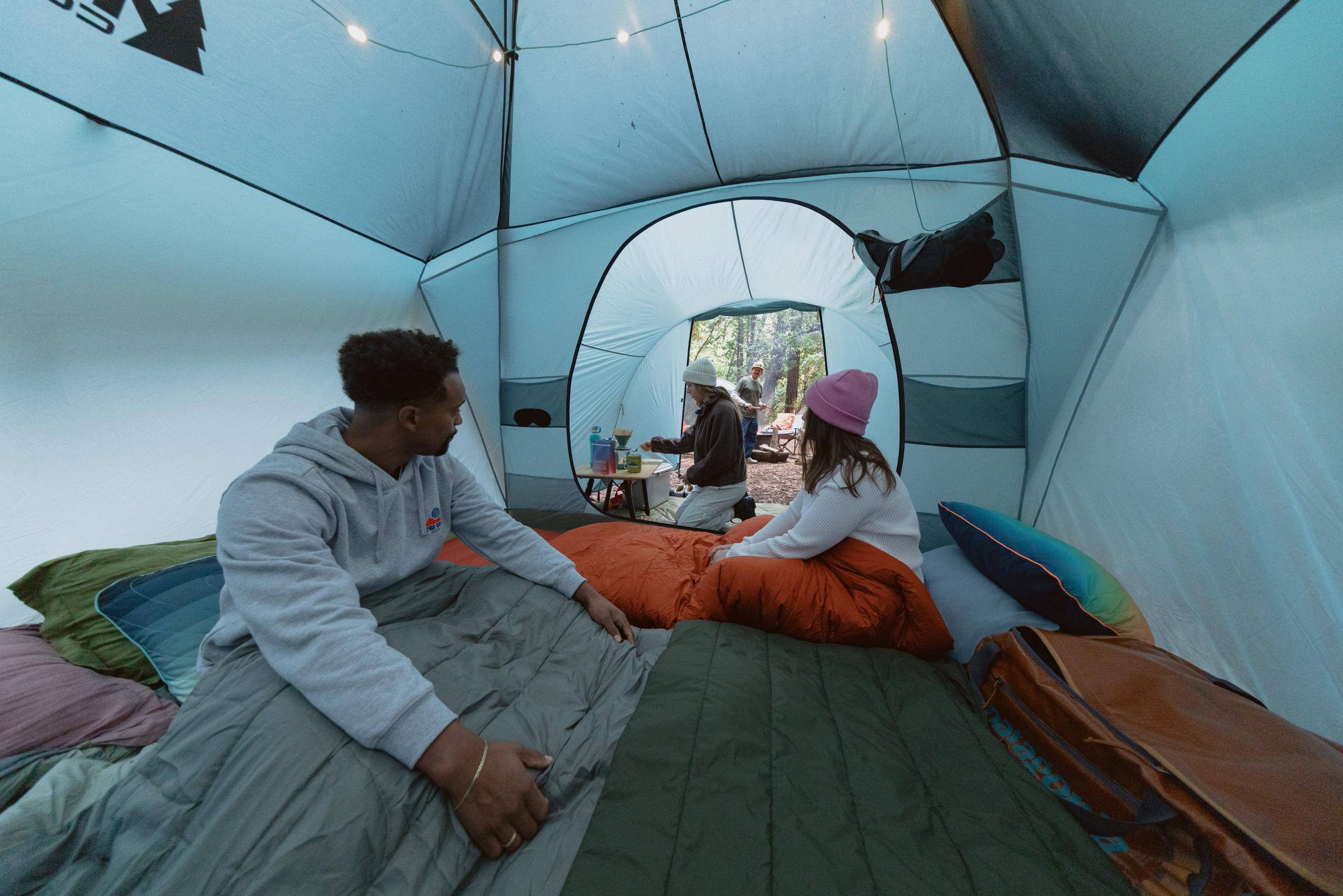
Credit: www.rei.com
Weight And Portability
Weight and portability are key factors when buying a camping tent. A heavy tent can slow you down and make hiking tough. A light tent helps you carry it easily and makes your trip more fun.
Think about how far you will carry the tent. Long hikes need light and compact tents. Car camping lets you pick heavier tents with more space.
Packed Size
Packed size means how small the tent gets when folded. A small packed size fits better in your backpack. It leaves room for other gear like food and clothes. Some tents compress well and become very compact.
Check the tent’s packed size before buying. Big tents can be heavy and bulky. Small tents are easier to carry but may have less space inside.
Carrying Options
Look at how you can carry the tent. Some tents come with backpacks or straps. These make carrying easier on your shoulders. Others may have handles for quick grabs.
Think about your trip style. A backpack-style tent suits hikers. Handles or bags work well for car campers. Choose a tent with carrying options that fit your needs.
Ease Of Setup
Ease of setup is a key factor in choosing a camping tent. A tent that is quick and simple to put up saves energy and time. It also reduces stress, especially after a long day outdoors. Consider how much help you will have and your experience level with tents.
Freestanding Vs Non-freestanding
Freestanding tents stand on their own with poles. They do not need stakes to hold shape. This makes them easier to move and set up on hard ground. Non-freestanding tents rely on stakes and guy lines. They are lighter but can take longer to set up. Choose based on where you camp and how fast you want to set up.
Color-coded Poles
Color-coded poles make tent setup easier. Each pole matches a specific sleeve or clip on the tent. This reduces confusion and speeds up assembly. It is a great feature for beginners and families. With color codes, you can set up your tent without a manual.
Pop-up Tents
Pop-up tents open instantly by unfolding. They require almost no effort to set up. Perfect for quick trips or festivals. They are usually small and light. Pop-up tents may not be best for rough weather. But they are very easy and fast to use.
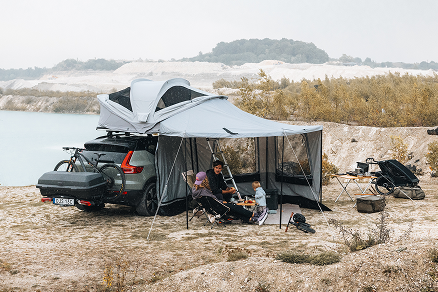
Credit: www.thule.com
Additional Features
Additional features in a camping tent can make your outdoor trip easier and more comfortable. These small details improve how you use the tent every day. Consider these features carefully to match your camping style and needs.
Doors And Vestibules
Check how many doors the tent has. More doors mean easier access and less disturbance for others inside. Vestibules are covered areas outside the door. They keep gear dry and provide extra space to store muddy boots or backpacks.
Interior Pockets And Loops
Look for tents with pockets inside. They help keep small items like phones, flashlights, or glasses organized. Loops are useful for hanging lanterns or other gear. These features keep your tent tidy and items easy to find.
Footprint Compatibility
A footprint is a groundsheet that matches your tent’s size. It protects the tent floor from rocks and dirt. Check if the tent brand sells a footprint. Using one can extend your tent’s life and keep it clean and dry.
Budget And Brand
Budget and brand play a big role in choosing the right camping tent. Your budget sets the limit for what you can spend. The brand tells you about the tent’s quality and trustworthiness. Both factors help you pick a tent that fits your needs and lasts long.
Price Range
Tents come in many price ranges. Budget tents can cost less but might lack some features. Mid-range tents often balance price and quality well. High-end tents usually offer the best materials and durability. Decide how much you want to spend before buying.
Warranty And Customer Support
Good brands offer warranties for their tents. Warranties protect your purchase from defects. Check how long the warranty lasts. Customer support helps solve problems after buying. Choose brands with helpful and easy-to-reach support teams.
Reputation And Reviews
Brand reputation shows how trustworthy a company is. Read reviews from other campers. Reviews reveal real experiences with the tent. Look for consistent positive feedback. Avoid brands with many complaints about quality or service.
Frequently Asked Questions
What Size Tent Do I Need For Camping?
Choose a tent size based on the number of people and gear. Allow extra space for comfort and storage. A larger tent ensures better ventilation and ease of movement during your camping trip.
How Important Is Tent Material For Durability?
Tent material affects durability, weight, and weather resistance. Nylon and polyester are common, offering strength and water resistance. Check for ripstop fabric and waterproof coatings to ensure long-lasting protection.
What Tent Features Enhance Weather Protection?
Look for waterproof rainflies, sealed seams, and sturdy poles. Ventilation features reduce condensation inside the tent. These elements help keep you dry and comfortable in varying weather conditions.
How Easy Should Tent Setup Be?
Choose a tent with a simple and quick setup process. Pop-up or color-coded pole systems save time. Ease of setup is crucial, especially for beginners or in bad weather.
Conclusion
Choosing the right camping tent takes some thought and care. Think about size, weight, and weather conditions. Make sure the tent is easy to carry and set up. Check for strong materials to keep you safe and dry. Don’t forget to consider your budget too.
A good tent makes your camping trip more comfortable and fun. Take your time and pick one that fits your needs. Ready for your next outdoor adventure? A well-chosen tent will be your best friend.
